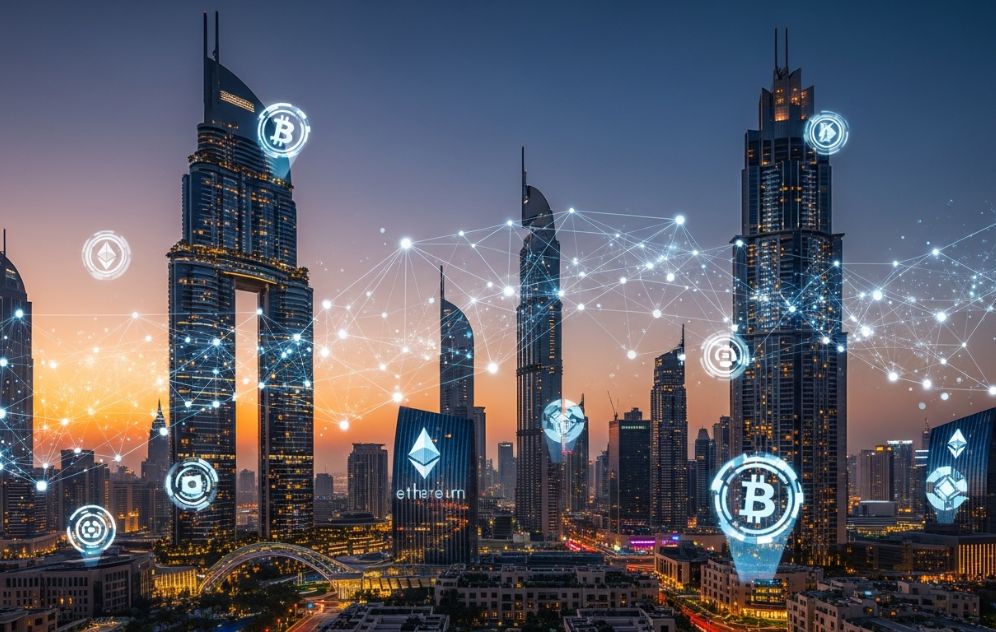
Real estate tokenization is redefining how investors participate in Dubai’s off-plan property market. By transforming physical assets into blockchain-based tokens, investors can access fractional ownership, greater liquidity, and faster transactions — a model that could reshape the real estate landscape by 2026.
Dubai has long been a magnet for global real estate investors — from the skyscrapers of Downtown Dubai to the expanding communities in Dubailand. But as the property market matures, innovation continues to reshape how investors participate.
One of the most significant trends heading into 2026 is real estate tokenization — the process of representing ownership of property through blockchain-based digital tokens. This model could redefine how investors buy, sell, and trade off-plan properties in Dubai, opening access to a broader audience while maintaining strong regulatory safeguards.
What Is Real Estate Tokenization?
Real estate tokenization converts property ownership rights into digital tokens recorded on a blockchain. Each token represents a fraction of ownership, much like shares in a company or units in a real estate fund.
Rather than replacing traditional ownership, tokenization enhances it by enabling investors to purchase smaller shares of high-value assets. For example, a luxury apartment project in Dubailand could be divided into thousands of tokens, each representing partial ownership and entitlement to profits.
This approach aligns with Dubai’s Smart City Vision, encouraging transparent, tech-driven solutions that bridge property and digital finance.

How Tokenization Works in Dubai’s Off-Plan Property Market
The process typically follows a regulated structure designed to ensure investor protection and compliance:
- Asset Structuring: A property or portfolio is placed within a legal entity, such as a Special Purpose Vehicle (SPV) or real estate fund.
- Regulatory Approval: Licenses are obtained from authorities including the Dubai Land Department (DLD) and the Virtual Assets Regulatory Authority (VARA).
- Token Creation: Digital tokens are issued on a secure blockchain network, representing fractional ownership or investment interest.
- Investor Participation: Investors can purchase these tokens through regulated marketplaces, providing immediate exposure to the underlying asset.
- Profit Distribution: Rental income or capital gains are distributed proportionally to token holders — either on-chain or via traditional channels.
- Secondary Market Trading: Tokens may eventually be traded on regulated exchanges, enhancing liquidity — something the traditional property market has long struggled to achieve.
Benefits of Tokenized Real Estate for Off-Plan Investors

1. Lower Entry Barriers
Investors no longer need millions to access Dubai’s luxury or off-plan developments. Fractional ownership lets individuals participate with significantly smaller investments.
2. Enhanced Liquidity
Unlike traditional property, tokenized assets can be traded faster, giving investors flexibility to exit positions without long selling cycles.
3. Transparency and Security
Each transaction is recorded on blockchain, providing immutable, verifiable ownership data that reduces fraud and increases confidence.
4. Global Accessibility
With tokenized property, investors worldwide can invest in Dubai real estate securely, subject to local regulations.
5. Operational Efficiency
Smart contracts automate payments, compliance, and ownership transfers — minimizing manual errors and costs.
Dubai’s Leadership in Regulating Tokenized Real Estate
Dubai has rapidly become one of the world’s most forward-thinking regulators for blockchain and property technology.
- Imagine a new off-plan project
- Virtual Assets Regulatory Authority (VARA): Updated 2025 guidelines define how tokenized real-world assets (RWAs) can be issued, licensed, and traded legally in the UAE.
- Financial Free Zones: DIFC and ADGM host sandboxes where digital securities and tokenized real estate can operate under controlled environments.
How Tokenization Enhances Dubai’s Off-Plan Property Market
The off-plan segment has always been one of Dubai’s strongest growth engines. Tokenization amplifies that by adding liquidity, flexibility, and accessibility.
Key impacts include:
- Investor Diversification: Developers can attract a wider pool of investors — both local and international.
- Accelerated Funding: Projects can be financed faster through tokenized fundraising rounds.
- Increased Transparency: Investors gain real-time insight into project progress and fund allocation.
- Secondary Market Potential: Once regulations mature, tokenized off-plan shares could trade even before project completion — offering early liquidity.
Example: Imagine a new off-plan project in Wadi Al Safa, Dubailand. Through tokenization, investors could purchase blockchain-verified shares representing ownership stakes, enabling participation in Dubai’s booming residential market with low entry thresholds.
Challenges and Risks of Real Estate Tokenization
Despite its promise, tokenized real estate is still evolving. Investors should consider:
- Regulatory Complexity: Navigating compliance across multiple authorities (VARA, DLD, DIFC).
- Market Maturity: Secondary trading platforms are still developing.
- Ownership Structure: Tokens represent beneficial interest, not direct land title.
- Technology Risk: Blockchain platforms must remain secure and properly audited.
- Investor Education: Understanding blockchain mechanisms is crucial for informed participation.
These challenges are manageable but highlight the importance of partnering with reputable developers and advisory firms.
The Future of Tokenized Property Investment in Dubai (2026 and Beyond)

By 2026, experts anticipate tokenized real estate to account for 5–10% of global property transactions (Source: MSCI Real Estate & PwC Global Market Outlook).
In Dubai, tokenization aligns perfectly with long-term government initiatives such as:
- Dubai Blockchain Strategy 2030
- DLD’s Real Estate Self-Transaction (REST) Platform
- UAE 2031 Digital Economy Vision
As adoption grows, we’ll likely see hybrid investment models — combining traditional off-plan sales with tokenized participation options, enabling a more inclusive and globally connected property market.
FAQs
1. What is real estate tokenization in Dubai and how does it work?
Real estate tokenization converts property ownership into digital tokens recorded on a blockchain. Each token represents fractional ownership, allowing investors to buy and trade shares of real assets. In Dubai, this process is regulated by the Dubai Land Department (DLD) and Virtual Assets Regulatory Authority (VARA), ensuring transparency, compliance, and investor protection.
2. Is tokenized real estate a good investment in Dubai?
Tokenized real estate in Dubai offers investors lower entry barriers, secure ownership records, and the potential for strong ROI through blockchain-enabled transactions. With average yields between 6%–8% and Dubai’s regulatory support, tokenized property investments are becoming a credible alternative to traditional real estate investing.
3. Can foreigners invest in tokenized property in Dubai?
Absolutely. Dubai allows foreign investors to buy tokenized property through licensed platforms regulated by VARA and the DLD. Investors can purchase fractional ownership of off-plan properties in Dubai, making it easier to enter the market without large upfront costs or traditional mortgage requirements.
4. What are the benefits of real estate tokenization for investors?
Key benefits of real estate tokenization include:
- Fractional ownership of premium properties
- Enhanced liquidity through secondary trading
- Blockchain-backed transparency and security
- Global accessibility for cross-border investors
These factors make Dubai’s off-plan real estate market more inclusive and future-ready.
5. How is tokenization changing Dubai’s off-plan property market?
Tokenization allows developers to raise funds faster and investors to buy smaller shares of off-plan properties in Dubai. It increases project liquidity, reduces risk, and opens participation to global buyers. This innovation supports Dubai’s goal of becoming the world’s most advanced digital property market by 2030.
6. What are the risks of investing in tokenized real estate?
While tokenized real estate offers opportunities, risks include:
- Market volatility
- Platform security vulnerabilities
- Regulatory variations between jurisdictions
Investors should only buy through DLD-registered and VARA-licensed platforms and consult advisors before investing in blockchain real estate projects.
7. How does tokenized real estate compare to traditional property investment?
Unlike traditional real estate, tokenized property offers faster transactions, fractional ownership, and potential liquidity through digital exchanges. Traditional investments provide direct ownership and stability but lack the efficiency and accessibility of blockchain-based property markets.
8. What are the best off-plan projects in Dubai for tokenized investment?
Emerging areas like Dubailand, Wadi Al Safa, and Business Bay are leading locations for off-plan and tokenized property investments. Developers offering blockchain-ready ownership structures and smart contract integrations are positioned to dominate Dubai’s 2026 investment landscape.
9. What role does VARA play in Dubai’s tokenized real estate regulation?
The Virtual Assets Regulatory Authority (VARA) oversees all tokenized asset activity in Dubai, including token issuance, licensing, and compliance. Together with the DLD, VARA ensures that tokenized real estate investments meet legal, financial, and security standards for local and foreign investors.
10. How do I invest in tokenized property in Dubai?
You can invest in tokenized property by following these steps:
- Choose a licensed developer or VARA-approved platform.
- Select a Dubai off-plan property with tokenization capability.
- Complete KYC and compliance checks.
- Purchase tokens representing fractional ownership.
- Track income or appreciation via your digital wallet.
11. Is tokenized real estate regulated in Dubai?
Dubai has one of the world’s most advanced legal frameworks for tokenized real estate. The DLD records physical ownership, while VARA governs digital tokens. This dual-structure ensures transparency, investor protection, and full compliance with UAE property laws.
12. Will tokenization impact property prices in Dubai?
Over time, tokenization could improve market liquidity and broaden investor access, creating upward pressure on demand for off-plan properties in Dubai. By making real estate more accessible globally, Dubai may see both higher transaction volumes and stronger price stability.
13. How does tokenization improve real estate liquidity?
Traditional property markets have limited liquidity. Tokenization allows fractional trading on regulated exchanges, enabling investors to buy or sell property shares instantly — similar to equities. This innovation brings flexibility to Dubai real estate investment and unlocks new exit options for investors.
14. What are the future trends for tokenized real estate in Dubai by 2026?
By 2026, Dubai is expected to lead the global tokenized real estate movement. Anticipated trends include:
- Integration of tokenized off-plan projects by major developers
- Adoption of blockchain-based title transfers
- AI-driven investment analysis for tokenized portfolios
- Expansion of cross-border participation in Dubai real estate
15. How does blockchain ensure transparency in Dubai’s property market?
Every tokenized real estate transaction is stored on a blockchain ledger, making data immutable and easily verifiable. This ensures all Dubai property investments — especially tokenized off-plan projects — are recorded transparently, reducing fraud and improving investor confidence.
Conclusion
Real estate tokenization is not just a passing trend — it’s the foundation for the next evolution of Dubai’s property market.
By merging blockchain technology with established regulatory frameworks, Dubai is creating a real estate ecosystem that’s transparent, inclusive, and globally accessible. For investors, the opportunity lies in understanding these shifts early and leveraging them within Dubai’s thriving off-plan property sector.
Discover off-plan projects and future-ready investments at 7Mayfair.com.